Public Mission in a Pluralistic Social Context
Can the Malaysian Chinese Church shift from a community primarily concerned with its own survival to one that participates in the holistic mission of God and seeks the peace of this land?
Can the Malaysian Chinese Church shift from a community primarily concerned with its own survival to one that participates in the holistic mission of God and seeks the peace of this land?

In a context where public space is restricted and church institutionalization is still taking shape, the “community of virtue” reminds the Chinese house church that public theology is not only about how the church speaks to the world, but also about whether the church itself lives out a life of peace, justice, humility, and mutual service.

Peace in Chinese culture, for example, often means requiring others to be the same as oneself, whereas biblical peace means being able to live with people who are different.

The phenomenon of child prostitution is closely related to human trafficking, the collapse of social values, poverty in Indigenous families, and the violence and inhumanity of the sex industry.
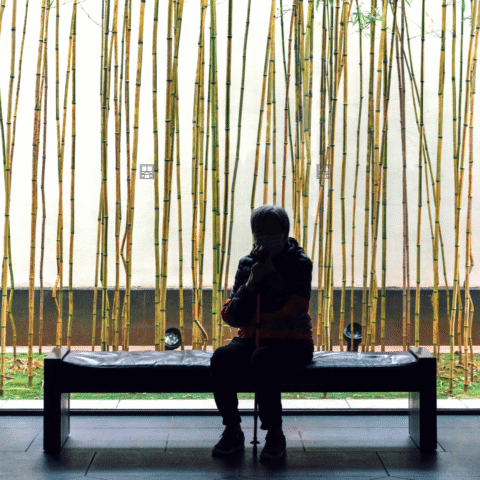
What kind of face does the church present in public? Do our tone and rhythm make people willing to approach us, and do they make us easier to understand?
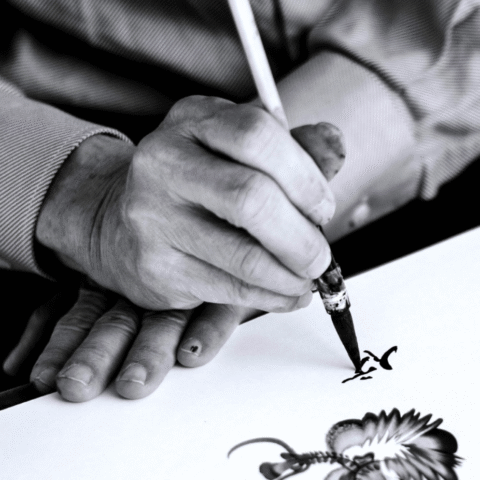
“Many Chinese churches place great emphasis on ‘truth’ and ‘goodness’ in their teaching and practice, yet they pay less attention to ‘beauty.’” Complaints of…
![An image of the Maryknoll Convent School in Hong Kong today. Sister Rose Maryknoll Duchesne Debrecht (principal, 1965-1972) said, “[The] Convent School has created a priceless history. Each and every person, who has been a participant in the school’s life, is to be given a grateful pat on the back for contributions so steadfastly made...”](https://media.chinasource.org/uploads/2024/10/03-WEB-QAR2024-02-Chu-Catholicism-in-China-Catholic-Nuns-Hong-Kong-Christian-Education-ChinaSource-Quarterly-300x150.jpeg)
Sister Rose Maryknoll Duchesne Debrecht (principal, 1965-1972) said, “[The] Convent School has created a priceless history. Each and every person, who has been a participant in the school’s life, is to be given a grateful pat on the back for contributions so steadfastly made...”

Perhaps Wu’s important message for Christians (and perhaps former Christians, or “nones”) in the West, is that we need to recover to the experience of joy that follows from interior harmony, as was known by Christian mystics.

Chinese Catholics are called to witness to their fellow citizens that they are Christians and good citizens, like all others, working for the common good of the whole country and in keeping with their own culture.

Will this problematic Agreement be abandoned or renewed on better terms for the Catholic side? Can the Vatican achieve better results in dealing with China with the assistance of its new bridging figures?

I hope that through such sharing, it will not only help people better understand the Chinese church, but also help those who are willing to lend a helping hand to the underground church in a better and more effective way.

In our catechetical teaching, we cannot only mention love of God and man, but need to holistically bring out “love of God, love of humans, and love of the Earth.”