
Neither Church nor Sect
For more than a century, scholars have often used the terms “church” and “sect” to describe different kinds of Christian communities. The distinction is…
Examine the life and witness of Chinese churches in China and around the world, including congregational life, leadership, church-state relations, and the challenges of change.
For more than a century, scholars have often used the terms “church” and “sect” to describe different kinds of Christian communities. The distinction is…

For a moment, it was easy to understand the dream of finding something of home among one’s own, even far from home. Yet I wondered about the reverse: might someone still feel like a stranger among people who shared their language and cultural memories, longing for a belonging that familiarity alone could not provide?

For the first time, we saw that ordinary believers could begin where they were and create connections between churches that had previously known little about one another.

The microphone had truly been placed in the hands of the next generation, allowing them to speak, think, and respond for themselves.

To serve effectively in a Chinese American church, pastors must address a more fundamental issue: securing a legal status that allows them to live and minister in the country.

In a context where public space is restricted and church institutionalization is still taking shape, the “community of virtue” reminds the Chinese house church that public theology is not only about how the church speaks to the world, but also about whether the church itself lives out a life of peace, justice, humility, and mutual service.
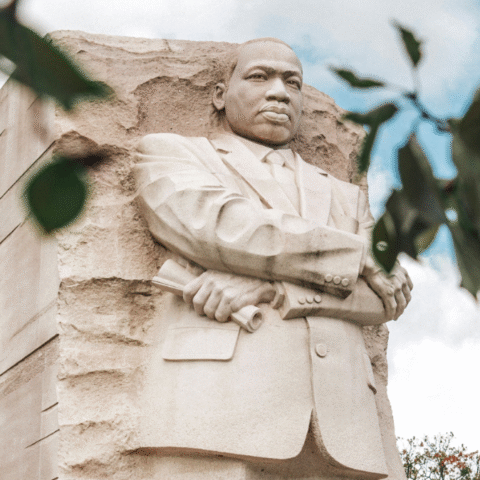
Who Is the Prophet of Our Time?: The Public Theology Praxis of Martin Luther King Jr. and Billy Graham is undoubtedly a landmark work of Chinese-language public theology.

There is no cross, no pulpit, and no choir. Three chairs surround a small tea table, a phone plays hymns, and a well-worn Bible rests nearby—the humble beginnings of a church.

In Chinese culture, it is challenging to bring domestic violence into the light.

Earlier this month brought word that dozens of pastors and leaders of Zion Church, one of China’s so-called megachurches with locations in Beijing and around the country, had been arrested.

The persecution story may be unending, but neither is persecution the end of the story.

Readers may be left with the impression that the Three-Self Church either willingly cooperates and blindly accepts the government’s agenda, or passively submits, powerless and resigned. But is that really the case?