让道成肉身的信仰走进公共生活
关怀受苦的人,是为了让他们成为基督徒,还是因为每个生命本就具有尊严?从马来西亚的赈灾、难民关怀到企业责任,李祖国反思:道成肉身的信仰如何走出教堂,在公义、怜悯与日常选择中,成为可见的公共见证?
汇集来自华人基督教处境的神学研究与反思,探讨圣经、教义、教会传统及当代教会面临的重要问题。
关怀受苦的人,是为了让他们成为基督徒,还是因为每个生命本就具有尊严?从马来西亚的赈灾、难民关怀到企业责任,李祖国反思:道成肉身的信仰如何走出教堂,在公义、怜悯与日常选择中,成为可见的公共见证?

Like all theology, public theology begins not with issues, but with the knowledge of God.
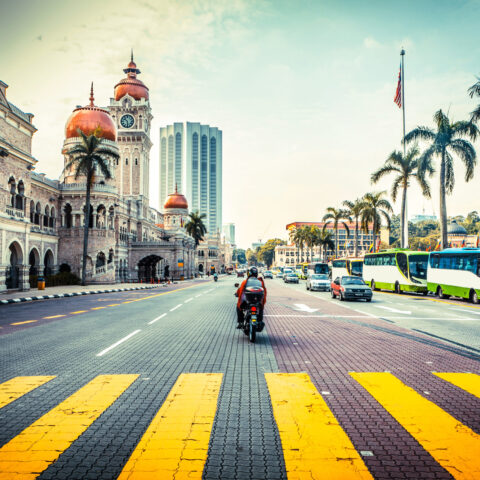
Can the Malaysian Chinese Church shift from a community primarily concerned with its own survival to one that participates in the holistic mission of God and seeks the peace of this land?

Resources for Chinese Public Theology

The thoughtful and wide-ranging contributions in this issue of ChinaSource Journal are particularly relevant to where China’s church finds itself today.

The public witness of the church is not to win political power or cultural hegemony in this “competition of gods.” Rather, it is to imitate Christ, seeking the peace of the city in exile, living out embodied love in the virtual, and witnessing to the eternal kingdom in suffering.

By looking not only at the church in China itself but also to Christian communities in the global Chinese diaspora, these scholars offer both cautionary tales as well as hopeful visions of what it means to be a witness to the “public God.”

The Chinese diaspora in Europe is transitioning from being a “mission field” (the recipient of gospel activity) to a burgeoning “mission force” (the agent of missional change).

Long before the word “Trinity” was rendered into Chinese as sanwei yiti (三位一體), Christians in Tang China were already searching for language to express the mystery of Father, Son, and Holy Spirit.

We must move toward a global dialogue where the Western scholar, the African pastor, the Asian theologian, and the Latin American activist sit together as equals.

然而,若我们真要从普世视野欣赏神学,当然就必须接触其他语言中的神学。

When people who have long been studying, teaching, pastoring, and serving in different contexts finally sit in the same room, what becomes visible?